Treatments and services
Osteopathy
Babies and Paediatric Osteopathy
Cranial & Nervous System Care
Evidence-informed, hands-on techniques to support optimal function and pain reduction. Treatment may include soft tissue techniques, joint mobilisation and articulation, muscle energy techniques, myofascial release and indirect techniques. Care is individualised and integrates clinical reasoning, patient history and examination findings to support safe, effective and patient-centred outcomes.
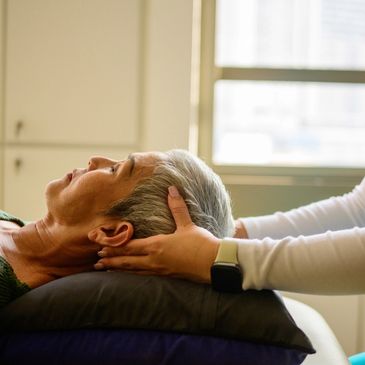
Cranial & Nervous System Care
Babies and Paediatric Osteopathy
Cranial & Nervous System Care
Cranial Osteopathy
Low-force osteopathic techniques following assessment, focusing on cranial, spinal, and related musculoskeletal structures.
Headache & Jaw (TMJ) Management
Assessment and treatment of musculoskeletal contributors to headaches, jaw pain, clenching, and facial tension.
Stress-Related Musculoskeletal Presentations
Care addre
Cranial Osteopathy
Low-force osteopathic techniques following assessment, focusing on cranial, spinal, and related musculoskeletal structures.
Headache & Jaw (TMJ) Management
Assessment and treatment of musculoskeletal contributors to headaches, jaw pain, clenching, and facial tension.
Stress-Related Musculoskeletal Presentations
Care addressing the physical effects of stress on posture, muscle tone, and movement.
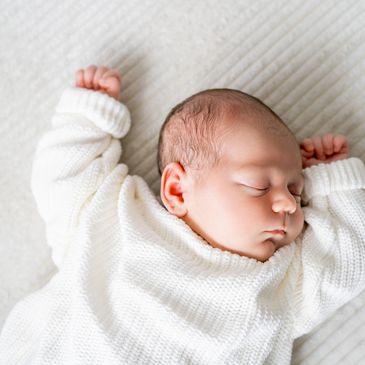
Babies and Paediatric Osteopathy
Babies and Paediatric Osteopathy
Babies and Paediatric Osteopathy
Musculoskeletal issues:
Torticollis (tight neck muscles, head turned to one side)
Positional plagiocephaly (flattened head shape)
Infant postural asymmetries
Muscle tension or stiffness
Feeding and oral issues:
Difficulty latching during breastfeeding
Tongue tie or jaw tension affecting feeding
Digestive concerns:
Colic or excessive cryi
Musculoskeletal issues:
Torticollis (tight neck muscles, head turned to one side)
Positional plagiocephaly (flattened head shape)
Infant postural asymmetries
Muscle tension or stiffness
Feeding and oral issues:
Difficulty latching during breastfeeding
Tongue tie or jaw tension affecting feeding
Digestive concerns:
Colic or excessive crying
Reflux or wind discomfort
Constipation
Sleep and behavioural issues:
Poor sleep patterns related to musculoskeletal discomfort
Restlessness due to tension or discomfort
Developmental:
postural and developmental concerns
developmental delays (rolling, crawling, walking)
Post-birth trauma:
Recovery from assisted deliveries (forceps, vacuum, or C-section)
Muscle or joint strain from birth
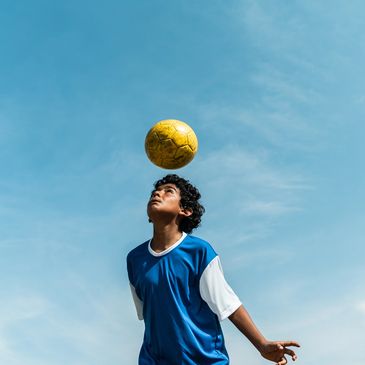
Children & Adolescents
Babies and Paediatric Osteopathy
Babies and Paediatric Osteopathy
Musculoskeletal issues:
Postural assessment and correction (e.g., slouching, scoliosis, kyphosis)
Growth-related musculoskeletal pain (e.g., growing pains, Osgood-Schlatter)
Joint or muscle tension, stiffness, or imbalance
Recovery from sports injuries
Neurological and developmental support:
Coordination and motor skill development
Support
Musculoskeletal issues:
Postural assessment and correction (e.g., slouching, scoliosis, kyphosis)
Growth-related musculoskeletal pain (e.g., growing pains, Osgood-Schlatter)
Joint or muscle tension, stiffness, or imbalance
Recovery from sports injuries
Neurological and developmental support:
Coordination and motor skill development
Support for children with developmental delays or sensory-motor issues or neurodiverse children
Sports and performance support:
Pre- and post-activity soft tissue and joint care
Improving flexibility, strength, and movement efficiency
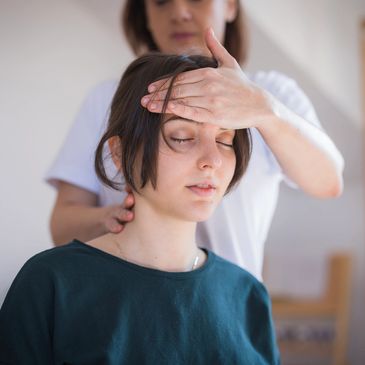
Sinus and Lymphatic Fluid Flow
Rehabilitation& Supportive Care
Sinus and Lymphatic Fluid Flow
Sinus & Facial Drainage Techniques
Manual techniques applied to the face, neck, and upper thoracic region to address musculoskeletal contributors to sinus and facial symptoms.
Lymphatic Drainage Techniques
Low-load manual techniques focusing on tissues associated with lymphatic and fluid movement, used where clinically appropriate. This ma
Sinus & Facial Drainage Techniques
Manual techniques applied to the face, neck, and upper thoracic region to address musculoskeletal contributors to sinus and facial symptoms.
Lymphatic Drainage Techniques
Low-load manual techniques focusing on tissues associated with lymphatic and fluid movement, used where clinically appropriate. This massage is beneficial for boosting immunity and aiding recovery from surgery or fluid retention.
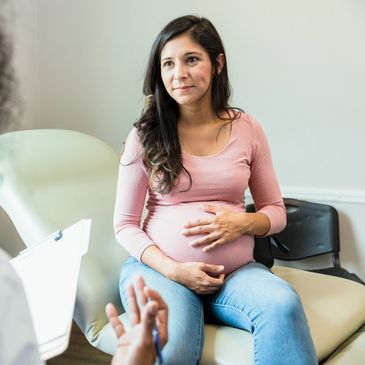
Women's Health
Rehabilitation& Supportive Care
Sinus and Lymphatic Fluid Flow
Pregnancy support:
Relieves back, hip, and pelvic discomfort
Supports posture and alignment as your body changes
Prepares your body for labour with gentle joint and soft tissue techniques
Postpartum care:
Aids recovery of pelvic and abdominal muscles
Helps with postnatal back pain or posture changes
Supports breastfeeding by addressing nec
Pregnancy support:
Relieves back, hip, and pelvic discomfort
Supports posture and alignment as your body changes
Prepares your body for labour with gentle joint and soft tissue techniques
Postpartum care:
Aids recovery of pelvic and abdominal muscles
Helps with postnatal back pain or posture changes
Supports breastfeeding by addressing neck, shoulder, and jaw tension
Manages scar tissue after C-section or episiotomy
Pelvic and reproductive health:
Reduces menstrual-related discomfort
Supports pelvic floor muscle health
Addresses musculoskeletal changes related to menopause
General musculoskeletal and wellbeing support:
Improves joint and muscle function
Corrects posture and movement patterns
Relieves stress-related tension and headaches

Vertigo Treatment
Rehabilitation& Supportive Care
Rehabilitation& Supportive Care
Relieves positional vertigo: Specifically targets benign paroxysmal positional vertigo (BPPV)
Safe, effective technique: Uses gentle head and body movements to reposition crystals in the inner ear
Rapid symptom improvement: Can reduce dizziness and imbalance in a single session
Supportive care: Includes guidance on posture, balance exercises, and preventing recurrence
Rehabilitation& Supportive Care
Rehabilitation& Supportive Care
Rehabilitation& Supportive Care
Post-injury recovery: Supports healing, reduces pain, and restores mobility after injuries or surgery
Chronic condition management: Eases ongoing pain, improves function, and enhances posture
Exercise programs: Tailored exercises to strengthen, stretch, and prevent re-injury
Postural and movement support: Corrects muscle imbalances, improv
Post-injury recovery: Supports healing, reduces pain, and restores mobility after injuries or surgery
Chronic condition management: Eases ongoing pain, improves function, and enhances posture
Exercise programs: Tailored exercises to strengthen, stretch, and prevent re-injury
Postural and movement support: Corrects muscle imbalances, improves coordination, and restores functional movement
Pain relief and comfort: Gentle techniques to reduce tension and support relaxation
Ongoing wellness: Guidance for safe activity, stretching, and gradual return to daily life

Dry Needling Therapy
Sports Care and Taping
Dry Needling Therapy
Relieves muscle tension and pain: Targets tight or “knotted” muscles to reduce discomfort
Improves movement and flexibility: Helps restore normal muscle function and range of motion
Supports injury recovery: Assists in rehabilitation from sports or musculoskeletal injuries
Complementary care: Often combined with osteopathic techniques and
Relieves muscle tension and pain: Targets tight or “knotted” muscles to reduce discomfort
Improves movement and flexibility: Helps restore normal muscle function and range of motion
Supports injury recovery: Assists in rehabilitation from sports or musculoskeletal injuries
Complementary care: Often combined with osteopathic techniques and exercise programs for best results
Safe and precise: Performed by trained practitioners using sterile, single-use needles
Cupping Therapy
Sports Care and Taping
Dry Needling Therapy
Relieves muscle tension and stiffness: Gently lifts and relaxes tight muscles
Promotes circulation: Increases blood flow to aid healing and recovery
Supports injury rehabilitation: Helps reduce pain and improve mobility after musculoskeletal issues
Complements osteopathic treatment: Often used alongside joint mobilization, soft tissue the
Relieves muscle tension and stiffness: Gently lifts and relaxes tight muscles
Promotes circulation: Increases blood flow to aid healing and recovery
Supports injury rehabilitation: Helps reduce pain and improve mobility after musculoskeletal issues
Complements osteopathic treatment: Often used alongside joint mobilization, soft tissue therapy, and exercise programs
Safe and non-invasive: Performed by trained practitioners using sterile equipment
Shockwave Therapy
Sports Care and Taping
Sports Care and Taping
Reduces pain and inflammation: Targets chronic musculoskeletal conditions like tendinopathies
Stimulates healing: Promotes tissue repair and regeneration in muscles, tendons, and ligaments
Supports injury recovery: Helps with conditions such as plantar fasciitis, tennis elbow, or shoulder tendinopathy
Enhances mobility and function: Impro
Reduces pain and inflammation: Targets chronic musculoskeletal conditions like tendinopathies
Stimulates healing: Promotes tissue repair and regeneration in muscles, tendons, and ligaments
Supports injury recovery: Helps with conditions such as plantar fasciitis, tennis elbow, or shoulder tendinopathy
Enhances mobility and function: Improves flexibility, strength, and movement patterns
Non-invasive and effective: Safe treatment performed by trained practitioners
Sports Care and Taping
Sports Care and Taping
Sports Care and Taping
Injury prevention and support: Helps stabilize muscles and joints during activity
Assists recovery: Reduces strain on injured areas and supports rehabilitation
Improves performance: Enhances movement efficiency and joint alignment
Pain relief and comfort: Can reduce discomfort during training or competition
Complementary care: Often combin
Injury prevention and support: Helps stabilize muscles and joints during activity
Assists recovery: Reduces strain on injured areas and supports rehabilitation
Improves performance: Enhances movement efficiency and joint alignment
Pain relief and comfort: Can reduce discomfort during training or competition
Complementary care: Often combined with osteopathic treatment, exercise programs, and soft tissue therapy